Cultural Etiquette Tips for Europe and Beyond: What Every Traveler Should Know Before Summer
Greetings Wanderers,
As the summer travel season begins, many travelers are preparing for trips across Europe and other international destinations. Flights are booked, itineraries are coming together, and experiences are taking shape.
What often gets overlooked is how cultural awareness can shape your entire trip.
Understanding local etiquette helps you move through a destination more smoothly, avoid awkward moments, and create more meaningful interactions. Small adjustments in behavior can make a noticeable difference in how you are received.
Here are essential cultural etiquette tips to keep in mind before traveling abroad.
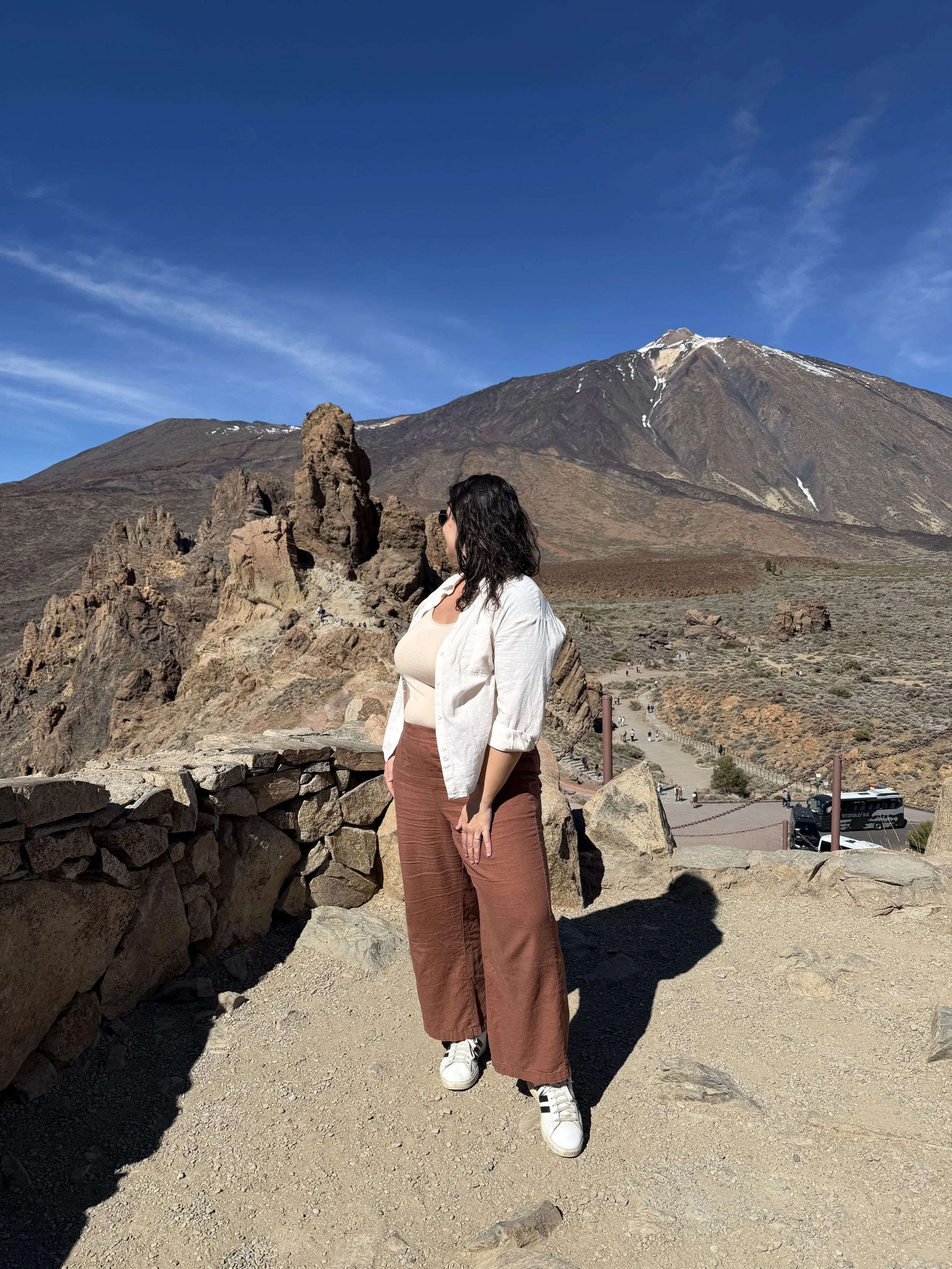
(Right - my recent trip to Tenerife 2026)
Cultural Etiquette Tips by Destination
-
Italy is known for its food, history, and slower pace of life. Dining is meant to be enjoyed, not rushed. Restaurants typically allow guests to linger, and service reflects that mindset.
When visiting churches or religious sites, modest dress is required. Shoulders and knees should be covered. Carrying a lightweight scarf is an easy way to be prepared.
-
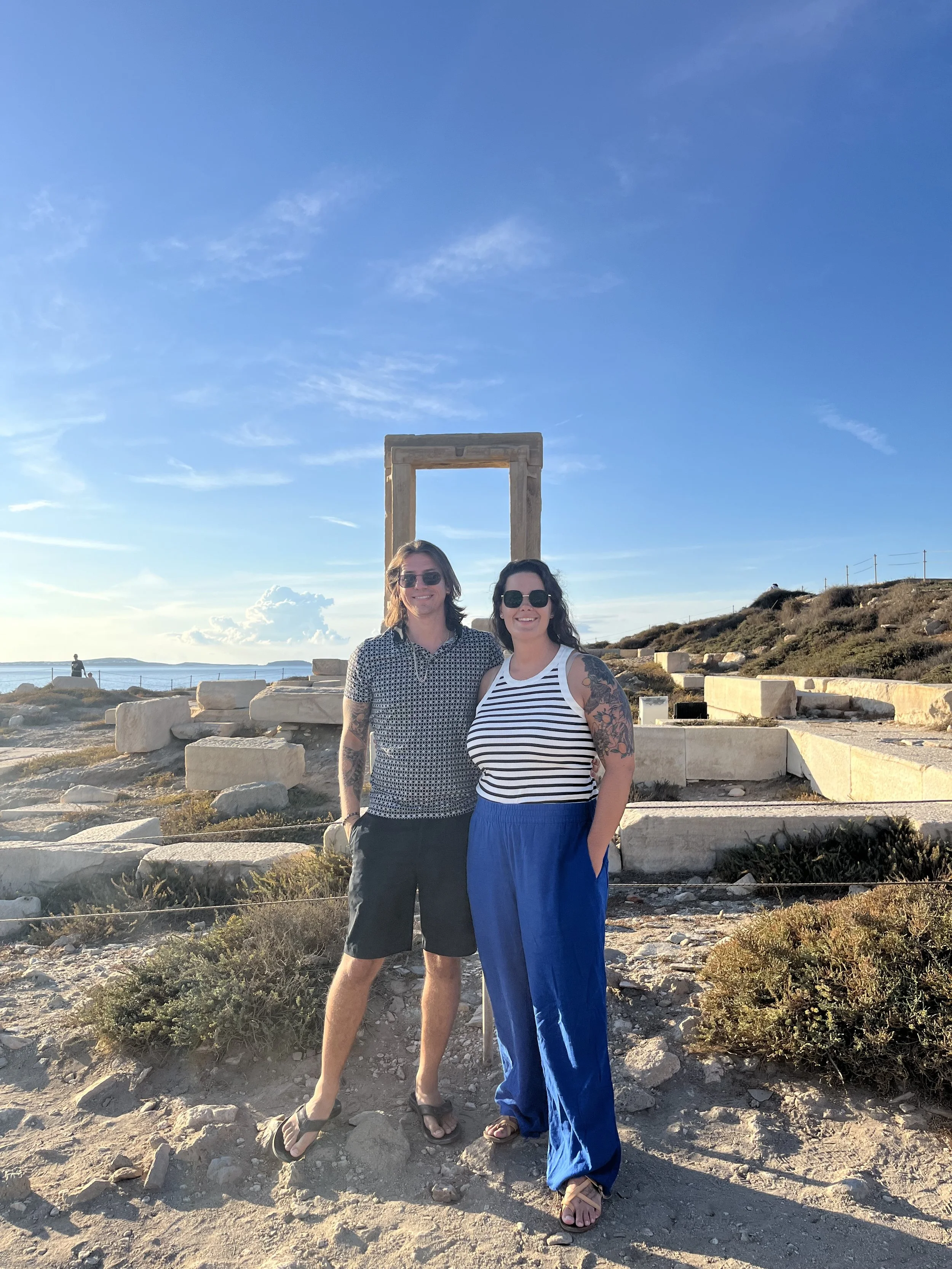
Dining in Greece is a social experience centered around sharing. Meals are often ordered for the table rather than individually.
Expect a relaxed pace, multiple dishes, and longer meals. Taking your time is part of the experience.
-
In France, greetings are an essential part of daily interactions. When entering a shop, café, or hotel, it is customary to say “Bonjour” before beginning any conversation.
Skipping this step can be perceived as impolite, regardless of language ability. A simple greeting sets a respectful tone.
-
Spain operates on a later daily schedule than many travelers expect. Dinner service often begins around 8:30 or 9:00 pm.
Planning your day around this rhythm allows you to better enjoy local culture, from afternoon breaks to lively evening meals.
-
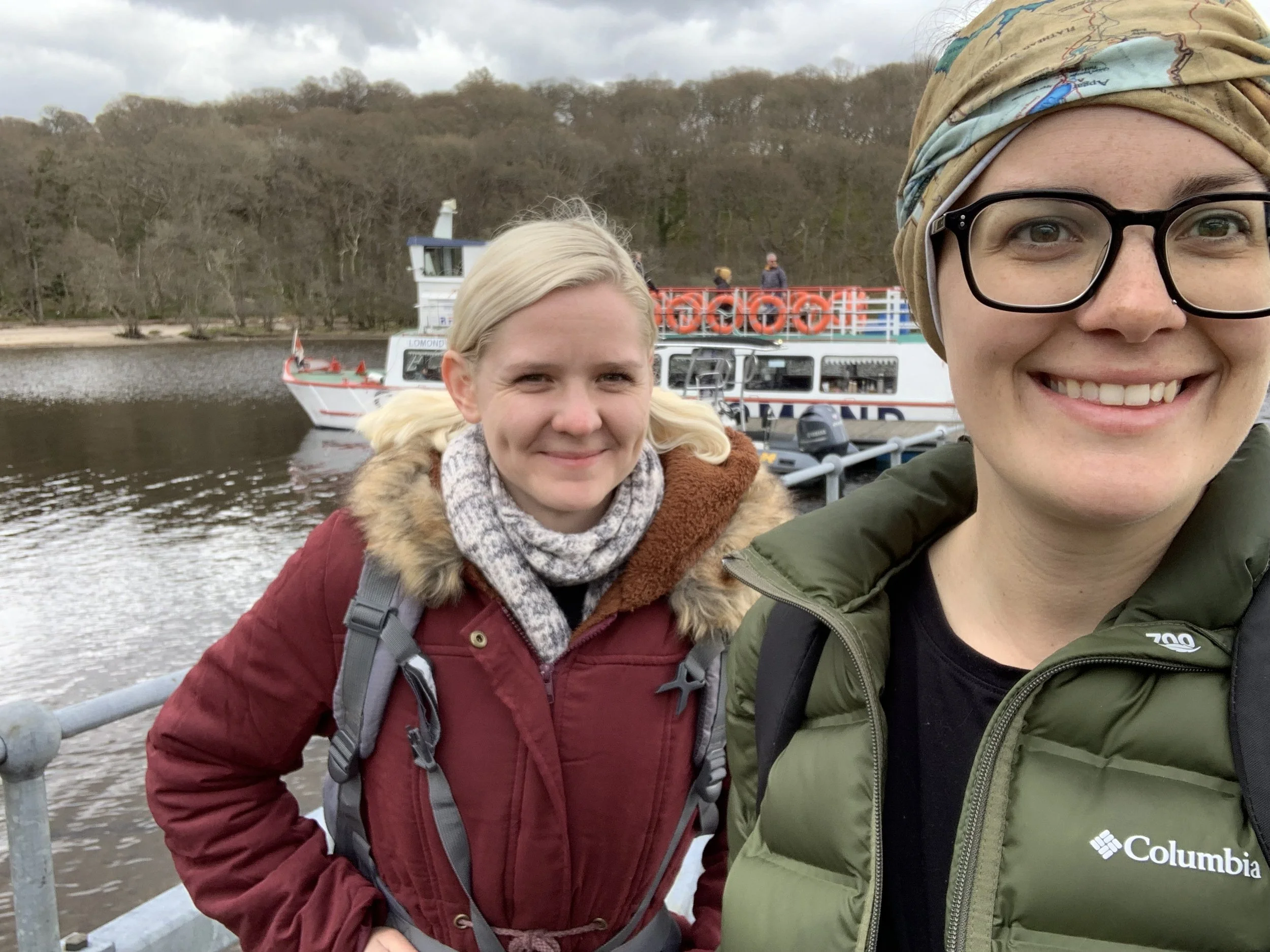
Queueing is an important social norm in the United Kingdom. Whether waiting for public transportation, entering a shop, or ordering food, it is expected that everyone respects the line.
Pay attention to where the queue begins and wait your turn.
-
In many parts of Mexico, polite greetings are part of everyday interactions. Saying “Buenos días” or “Buenas tardes” when entering a business is considered respectful.
This small effort often leads to more positive and welcoming exchanges.
General Travel Etiquette Tips for International Travel
These universal tips apply across many destinations and can help you feel more prepared.
-
In many European countries, water is not automatically served. You will need to request it, and you may be asked if you prefer still or sparkling. Tap water is not always offered unless specifically requested.
-
Ice is less common outside of the United States. Drinks are typically served with little or no ice.
-
Separate checks are not standard in many countries. Restaurants often expect one person to pay, with groups settling costs afterward.
-
Train stations can be fast-paced environments. Stand clear when passengers are exiting, keep your belongings close, and avoid blocking walkways.
-
There is often a difference between counter service and table service. Sitting at a table usually includes service and a higher price, while ordering at the counter is quicker and more casual.
-
Speaking volume varies by culture. Matching the tone and volume of those around you helps you blend in more naturally.
-
Knowing a few words such as hello, please, and thank you shows respect and effort. It can also lead to more positive interactions.
A Simple Rule for Traveling Abroad
If you are ever unsure what to do, follow this guideline:
Observe your surroundings, then follow the local lead.
Each destination has its own pace and social norms. Taking a moment to notice them allows you to adapt more naturally.
Final Thoughts
Travel is not only about where you go, but how you experience it.
Cultural awareness helps you move beyond being a visitor and become a more thoughtful traveler. With a little preparation, you can avoid common mistakes and build stronger connections along the way.
Enjoy Your 2026 Travels!