

How to Plan a Trip to Europe Without Feeling Overwhelmed
Greetings Wanderers,
Planning a trip to Europe is exciting, but it can also feel overwhelming fast.
With so many countries, cities, transportation options, and experiences to choose from, it is easy to fall into research overload before you have even booked a flight.
The good news is that planning a European trip does not have to be complicated. With the right approach, you can simplify the process and actually enjoy it.
Here is exactly how to plan your trip step by step.

Step 1: Decide Where to Go
One of the biggest mistakes travelers make is trying to see too much in one trip.
Europe is not a single destination. Each country has its own culture, pace, and experience. Instead of trying to fit everything in, start by narrowing your focus.
Ask yourself:
Do you want history, food, beaches, or scenery
Are you more interested in cities, the countryside, or a mix
Is this a fast-paced trip or a slower, more relaxed experience
For most trips, choosing 2 to 3 countries at most leads to a much better experience.
Step 2: Choose the Right Time to Travel
Timing can shape your entire experience.
Summer is popular for a reason, but it also comes with higher prices, larger crowds, and warmer temperatures. Shoulder seasons like spring and fall often offer a better balance of weather and fewer crowds.
If your schedule is flexible, this is one of the easiest ways to improve your trip.
Not sure when the best time is to go? Check out this blog about Understanding Travel Seasons.
Step 3: Map Out a Realistic Route
Once you know where you want to go, the next step is figuring out how it all connects.
This is where many trips start to feel overwhelming.
Instead of jumping between far-apart cities, focus on geography. Group destinations that are close together to reduce travel time and make your itinerary feel smoother.
For example:
Northern Italy pairs well with Switzerland
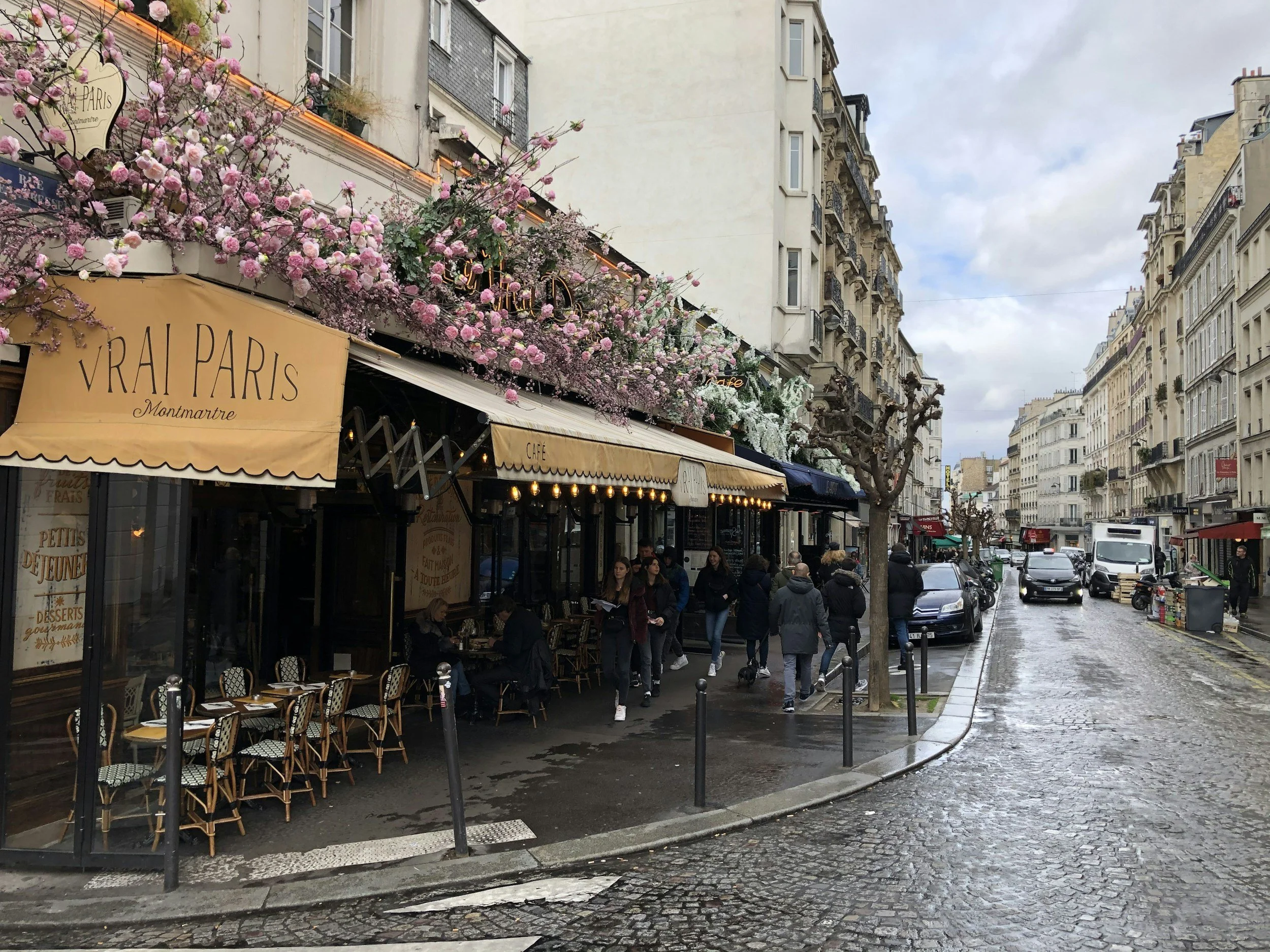
Paris works well with other parts of France or nearby regions
A well-routed trip feels seamless. A poorly planned one feels rushed and exhausting.
Step 4: Decide How Long to Stay
A common planning mistake is moving too quickly.
Every time you change locations, you lose time to packing, transit, and check-in logistics. Staying longer in fewer places almost always leads to a better experience.
A general guideline:
Major cities: 3 to 4 nights
Smaller towns: 2 to 3 nights
This gives you time to explore without feeling like you are constantly in transit.

Step 5: Plan Transportation Between Destinations
Getting around Europe is easier than many travelers expect, but choosing the right method matters.
Depending on your route, you may use:
Trains for convenience and city-to-city travel
Flights for longer distances
Private transfers or drivers for more flexibility
The key is choosing what makes sense for your specific itinerary, not just what seems easiest at first glance.
Step 6: Book the Right Accommodations
Where you stay can completely shape your trip.
Location is often more important than the property itself. Staying centrally can save time, reduce stress, and make it easier to explore.
Think about:
Walkability
Proximity to major sights
The overall feel of the neighborhood
This is where thoughtful planning makes a big difference.

Step 7: Plan Key Experiences in Advance
Europe offers an incredible range of experiences, but some require advance planning.
Popular tours, museum entries, and special experiences can sell out, especially during peak season.
Prioritize:
Must-see attractions
Unique local experiences
Any guided tours you do not want to miss
Leave space for flexibility, but do not leave everything to chance.
Step 8: Prepare for Cultural Differences
Every destination has its own rhythm and expectations.
Understanding a few cultural norms before you go can make your experience much smoother and more enjoyable.
If you have not already, start here:
Cultural Etiquette Tips for Europe and Beyond

Step 9: Finalize Logistics Before You Go
Before departure, make sure everything is organized and easy to access.
This includes:
Travel documents
Reservations and confirmations
Transportation details
A general outline of your itinerary
Having everything in one place helps you travel with confidence.
When to Work with a Travel Advisor
If this process already feels overwhelming, you are not alone.
Planning a trip to Europe involves a lot of moving parts, and getting it right can make a significant difference in your experience.
Working with a travel advisor means:
Your itinerary is thoughtfully designed
Logistics are handled for you
You have trusted partners on the ground
You avoid common planning mistakes

Planning a trip to Europe does not have to feel complicated.
With a clear plan, realistic expectations, and the right support, it becomes something you can actually enjoy before you even leave.
The goal is not to see everything.
The goal is to experience it well.
Cheers,
Hannah