

Best Time to Visit Europe: When to Go for Weather, Crowds, and Budget
Greetings Wanderers,
One of the first questions travelers ask when planning a European trip is simple:
When is the best time to visit Europe?
The honest answer is that it depends.
The best time to go depends on what matters most to you. Are you looking for warm weather, smaller crowds, lower prices, Christmas markets, or beach destinations?
Each season offers something different, and choosing the right one can completely shape your trip.
Here is how to decide what works best for you.
-
Best For:
Mild weather, fewer crowds, gardens in bloom, and shoulder season pricing
Spring is one of my favorite times to visit Europe.
Cities begin to come alive after winter, temperatures are comfortable, and major destinations feel far less crowded than peak summer. This is also an ideal time for Italy, Greece, France, and much of Central Europe.
You get beautiful scenery without the intense summer heat or peak-season pricing.
Especially great for:
Italy
Greece
Paris
Ireland
River cruises
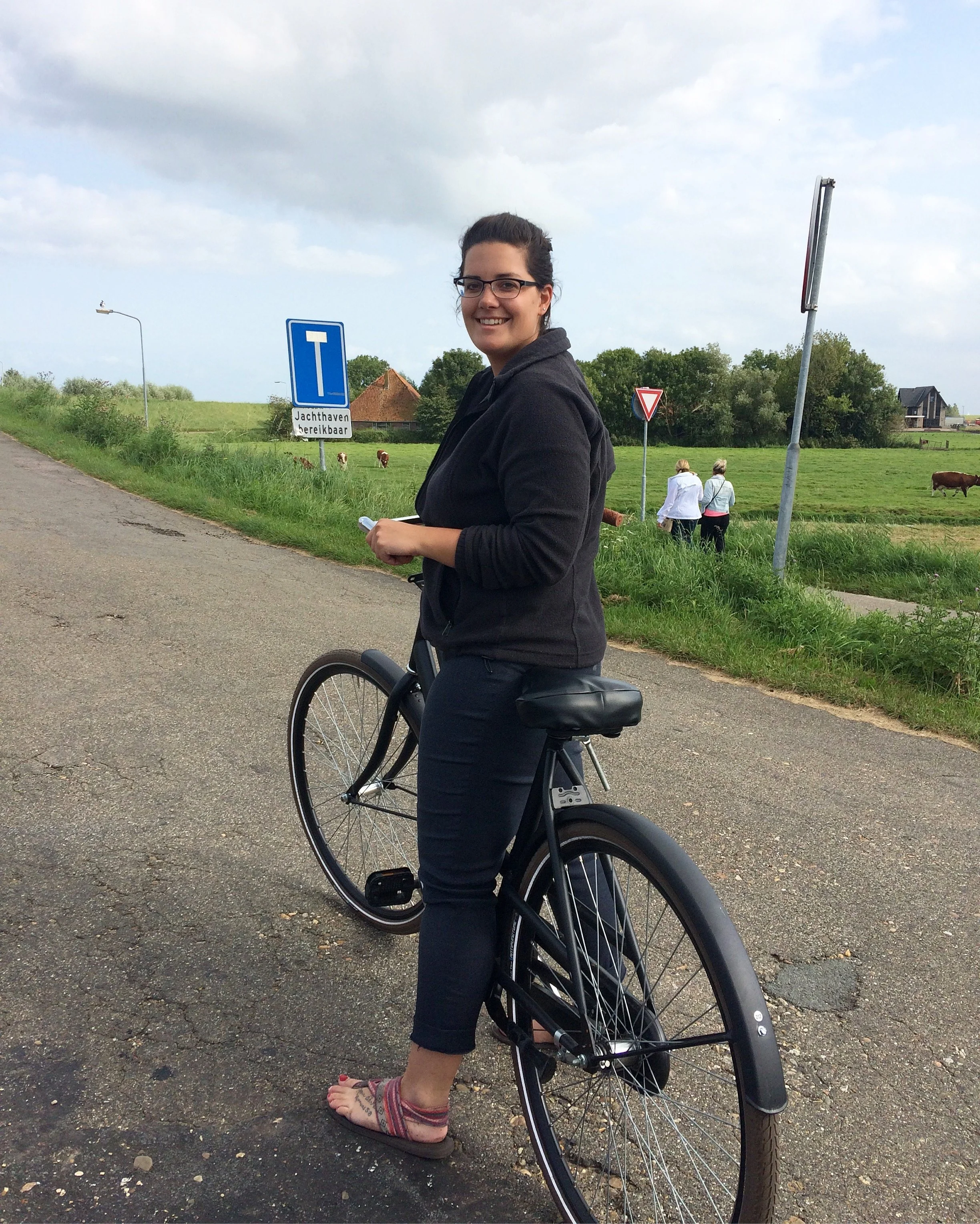
Tulip season in the Netherlands
-
Best For:
School schedules, coastal destinations, festivals, and longer daylight hours
Summer is the most popular time to visit Europe for a reason.
The weather is warm, the days are long, and destinations like the Amalfi Coast, Greek Islands, and the French Riviera are at their most vibrant.
But summer also brings:
Higher prices
Larger crowds
More demand for hotels and tours
Hotter temperatures, especially in Southern Europe
If summer is your only option, planning early becomes even more important.
-
Best For:
Fewer crowds, warm weather, wine regions, and excellent value.
Fall is often the sweet spot for many travelers.
September still feels like summer in much of Southern Europe, but with fewer tourists and lower pricing. October brings beautiful seasonal colors and a slower pace.
This is an excellent time for travelers who want a more relaxed experience without sacrificing good weather.
Especially great for:
Italy
Spain
Portugal
France
River cruises
Wine regions
-
Best For:
Christmas markets, ski trips, festive travel, and lower hotel rates.
Winter travel in Europe can be incredibly magical depending on where you go.
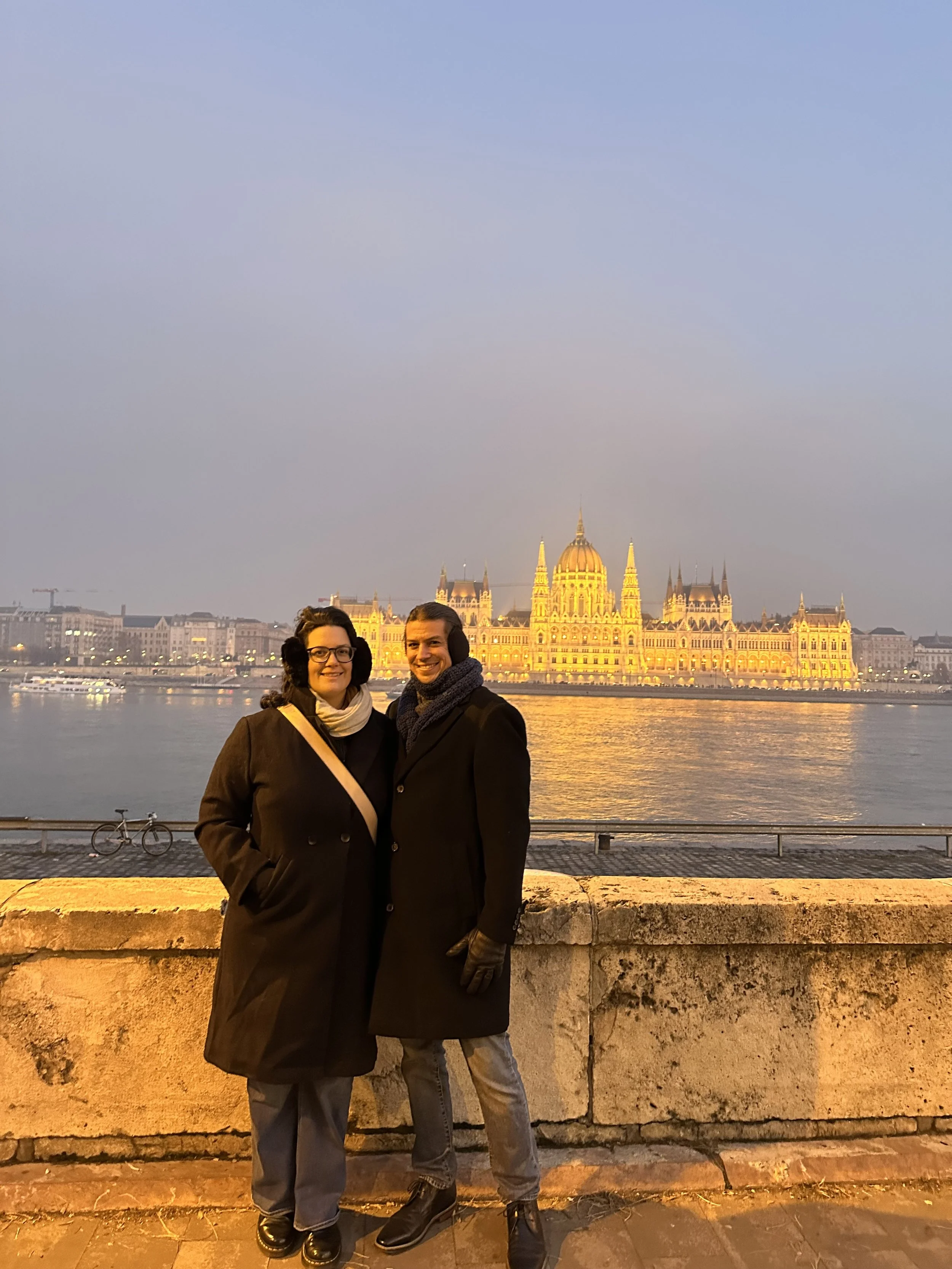
Cities like Vienna, Prague, and Budapest shine during Christmas market season, while destinations like Switzerland and Austria are ideal for winter sports.
If your focus is beaches or warm weather, winter may not be the best fit unless you are heading farther south.
Especially great for:
Christmas markets
Alpine ski trips
London
Paris during the holiday season
Southern Spain for mild winter weather

The Most Common Mistake: Trying to Travel in Peak Season Without a Plan
Many travelers assume summer is automatically the best time to go.
Sometimes it is. But often, shoulder season offers a better overall experience.
Spring and fall frequently provide:
Better pricing
Better hotel availability
More comfortable sightseeing weather
Less crowded attractions
A more relaxed trip overall
Choosing the right season can improve your trip before you even leave home.
How to Decide What Is Best for You
Ask yourself:
Do you prioritize weather or fewer crowds?
Are you tied to school schedules?
Is this a special celebration trip?
Are you trying to maximize your budget?
Do you want beaches, cities, Christmas markets, or the countryside?
The best season is not the same for everyone.
It depends on the kind of trip you want to have.
Why This Matters in Trip Planning
Timing affects almost everything:
Flight prices
Hotel availability
Tour reservations
Cruise options
Overall pace of the destination
This is one of the biggest reasons working with a travel advisor can make such a difference. Choosing the right timing often saves more money and stress than people expect.
Final Thoughts
There is no single “best” time to visit Europe.
There is only the best time for your trip.
The right season depends on your priorities, your destinations, and how you want your travel experience to feel.
Choosing wisely can be the difference between a trip that feels rushed and crowded and one that feels effortless and unforgettable.
Continue Planning Your Trip
Start here:
How to Plan a Trip to Europe Without Feeling Overwhelmed
Then read:
How to Pack for Europe: 8 Smart Packing Tips to Travel Lighter and Stress Less
And before you leave:
Cultural Etiquette Tips for Europe and Beyond